Generate Lighter Tints of Any Color Generate lighter tints of any color with adjustable step count.
Color Tint Generator
Generate lighter tints of any color with adjustable step count.
Pick Base Color
Select your starting color.
Set Tint Count
Choose how many progressively lighter tints to generate.
Copy Tints
Copy individual tints or the full set.
What Is Color Tint Generator?
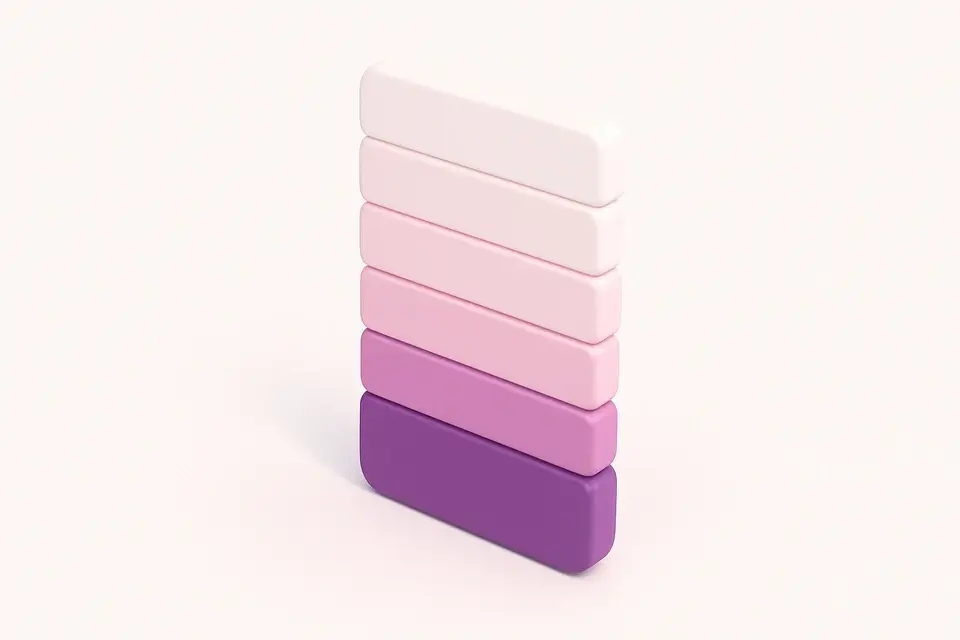
A color tint generator creates progressively lighter versions of any base color by increasing its lightness toward white in HSL color space. Tints preserve the original hue and saturation while adding white, producing softer, more delicate versions of the color. The lightest tints approach pastel territory — those soft, airy colors that work beautifully for backgrounds, cards, and subtle UI elements. Tints are the opposite of shades: while shades darken toward black, tints lighten toward white. Together, they form the foundation of any complete color scale. This tool generates tints with even lightness distribution and shows the lightness percentage for each step, making it easy to build systematic color palettes for design systems.
Why Use Color Tint Generator?
-
HSL-based lightening preserves hue identity across all tints
-
Adjustable from 3 to 15 tint steps
-
Shows lightness percentage for each tint
-
Ideal for backgrounds, cards, and subtle UI elements
-
One-click copy for individual tints or the entire set
Common Use Cases
Background Colors
Create soft, light backgrounds that harmonize with their corresponding darker color.
Card Surfaces
Generate subtle tinted surfaces for cards, modals, and panels.
Alert Backgrounds
Use light tints as backgrounds for success, warning, and error messages.
Design Tokens
Build the light end of a color scale (50, 100, 200, 300) for design systems.
Technical Guide
The tint generator converts the base color to HSL and distributes lightness values from the base to near-white. The formula is: L = baseLightness + (100 - baseLightness) × (i/(N-1)), where i ranges from 0 to N-1. This ensures the first color is the original and the last approaches white. In traditional color theory, a tint is a hue mixed with white. The digital equivalent increases lightness in HSL space. Very high lightness values (90%+) produce pastel colors that are widely used in modern UI design for backgrounds and subtle accents. The even distribution ensures visually balanced steps throughout the tint range.
Tips & Best Practices
-
1The lightest tints (90-95% lightness) make excellent page backgrounds
-
2Use tints with 70-80% lightness for card and panel surfaces
-
3Combine tint and shade generators for a complete design system color scale
-
4Tints at 85-90% lightness create beautiful pastel colors
-
5Ensure dark text has sufficient contrast against tinted backgrounds (use the contrast checker)
Related Tools
Monochromatic Palette Generator
Generate a monochromatic color palette from any base color.
🎨 Color Tools
Color Shade Generator
Generate darker shades of any color with adjustable step count.
🎨 Color Tools
Color Mixer
Mix two colors together with adjustable ratio and see the full gradient.
🎨 Color Tools
Contrast Ratio Checker
Check WCAG contrast ratios between foreground and background colors.
🎨 Color Tools
Accessible Palette Generator
Generate color palettes that meet WCAG contrast requirements.
🎨 Color ToolsFrequently Asked Questions
Q What is a color tint?
Q How are tints different from opacity?
Q Can I create pastel colors with this tool?
About This Tool
Color Tint Generator is a free online tool by FreeToolkit.ai. All processing happens directly in your browser — your data never leaves your device. No registration or installation required.