Decode UTM Parameters from Campaign URLs Parse and extract UTM parameters from any URL for campaign analysis.
UTM Link Parser
Parse and extract UTM parameters from any URL for campaign analysis.
Paste a URL
Enter any URL that contains UTM parameters.
View parsed results
See each UTM parameter extracted with descriptions.
Analyze your campaign
Understand the base URL, UTM tags, and other parameters.
What Is UTM Link Parser?
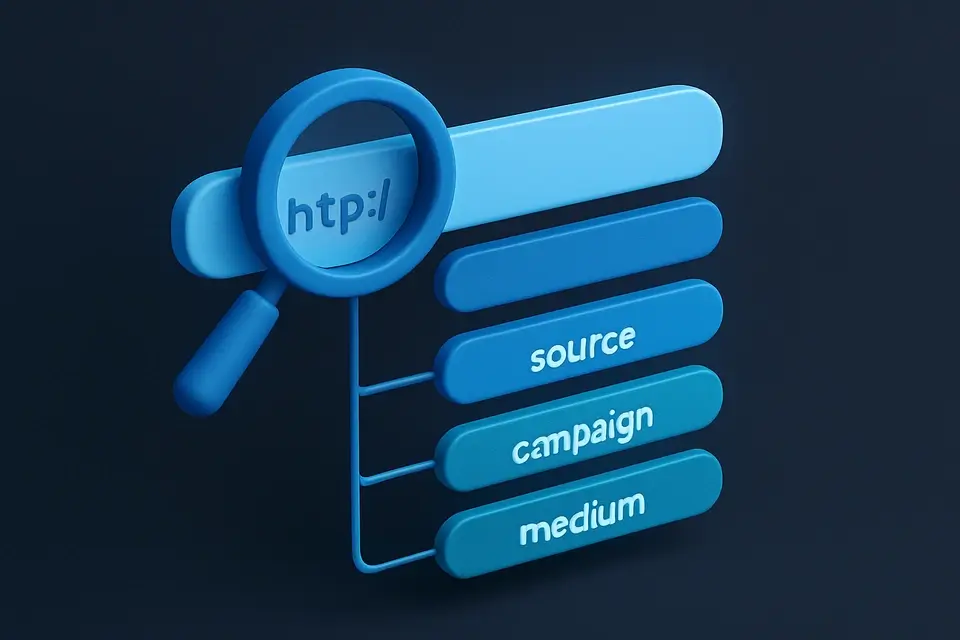
A UTM Link Parser is a tool that extracts and displays all UTM parameters from any URL, allowing users to analyze and understand the tracking links used in marketing campaigns. Digital marketers and analysts use it to reverse-engineer campaign tracking links, identifying the base URL, each UTM parameter with its value, and any other query parameters. One specific problem it solves is helping users identify how their competitors are structuring their campaign URLs, which can inform their own marketing strategies.
The tool is particularly useful for parsing utm parameters from url strings, making it easier to extract insights from tracked links. What makes this tool different is its ability to not only parse utm parameters but also provide descriptions for each UTM field, such as the source, medium, and campaign name, allowing users to quickly understand the campaign structure. It also separates other query parameters from the UTM parameters, making it easier to analyze the URL components.
It includes features like a url tracking parameter parser, which breaks down URLs into their component parts, and an utm campaign url analyzer, which provides detailed information about each UTM parameter. By using this tool, users can gain a deeper understanding of how to extract utm parameters from a url and use that data to inform their marketing strategies. The tool's ability to display the base URL, UTM parameters, and other query parameters makes it a useful utm link parser for anyone looking to analyze campaign tracking links.
Why Use UTM Link Parser?
-
Instantly extract all 5 UTM parameters from any URL
-
Descriptions for each parameter explaining its purpose
-
Separates UTM parameters from other query parameters
-
Shows the clean base URL without any parameters
-
Identifies URLs that have no UTM tags
Common Use Cases
Competitive Analysis
Analyze competitor campaign structures by parsing their tracked URLs.
Campaign Audit
Verify UTM parameters on your own campaign URLs.
Documentation
Extract campaign details from URLs for reporting.
Troubleshooting
Debug analytics data by verifying UTM tag correctness.
Technical Guide
The tool works under the hood by utilizing the URL API to break down the input URL into its constituent parts, including the origin, pathname, and search parameters. It then uses the `searchParams` property of the `URL` object to extract query parameters from the URL, which are stored in a `params` object as key-value pairs. The tool identifies the 5 standard UTM parameters (utm_source, utm_medium, utm_campaign, utm_term, utm_content) and separates them from any other query parameters using an object called `utmParams`. This separation allows for easy distinction between UTM and non-UTM parameters.
The base URL is reconstructed without any parameters by combining the `origin` and `pathname` properties of the `URL` object. The tool handles URL encoding and decoding automatically, ensuring that encoded characters are displayed in readable form. It uses React's `useState` hook to store the input URL and the parsed result in state variables, allowing for dynamic updates as the user interacts with the tool. When parsing the UTM parameters, it checks if each parameter has a value and displays "Not set" if no value is present. The tool also filters out non-UTM parameters using `Object.entries` and `filter`, storing them in an array called `otherParams`. This allows for easy display of both UTM and non-UTM parameters in the tool's output.
The tool uses a predefined object called `utmLabels` to provide descriptions for each UTM field, such as the source, medium, and campaign name. These labels are used to display human-readable explanations for each UTM parameter, making it easier for users to understand the campaign structure. The tool's use of JavaScript and React enables dynamic rendering of the parsed URL components, including the base URL, UTM parameters, and other query parameters. By combining these technologies with the URL API, the tool provides a powerful and flexible solution for parsing and analyzing UTM links.
Tips & Best Practices
-
1Check competitor ads by right-clicking links and copying the URL to parse
-
2Verify your own campaign URLs before launching to catch naming errors
-
3Use parsed UTM data to document campaign taxonomy
-
4Look for inconsistencies in UTM naming across your campaigns
Related Tools


Campaign URL Generator
Generate tracked campaign URLs for multiple platforms simultaneously.
📱 Social Media

Click-Through Rate Calculator
Calculate CTR with industry benchmarks for search, display, social, and email campaigns.
📱 Social Media

UTM Link Builder
Build URLs with UTM parameters for tracking marketing campaigns in Google Analytics.
📱 Social Media

Social Media Report Template
Generate customizable social media performance report templates with multi-platform sections.
📱 Social MediaFrequently Asked Questions
Q What if a URL has no UTM parameters?
Q Can I parse URLs with other tracking parameters?
About This Tool
UTM Link Parser is a free online tool by FreeToolkit.ai. All processing happens directly in your browser — your data never leaves your device. No registration or installation required.