Parse and Validate Any URL Instantly Validate URL format and structure with protocol, domain, path, and query string analysis.
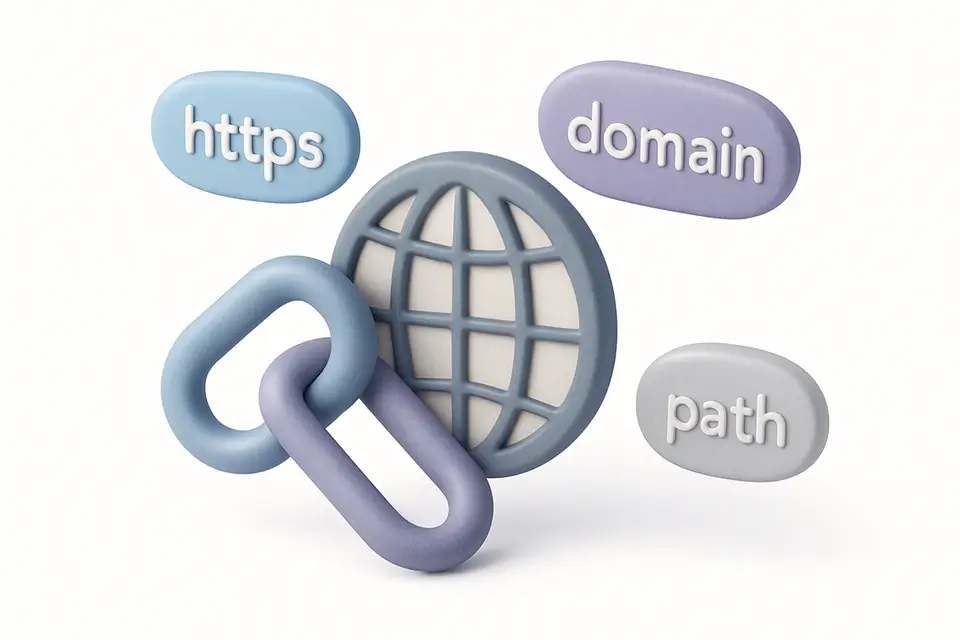
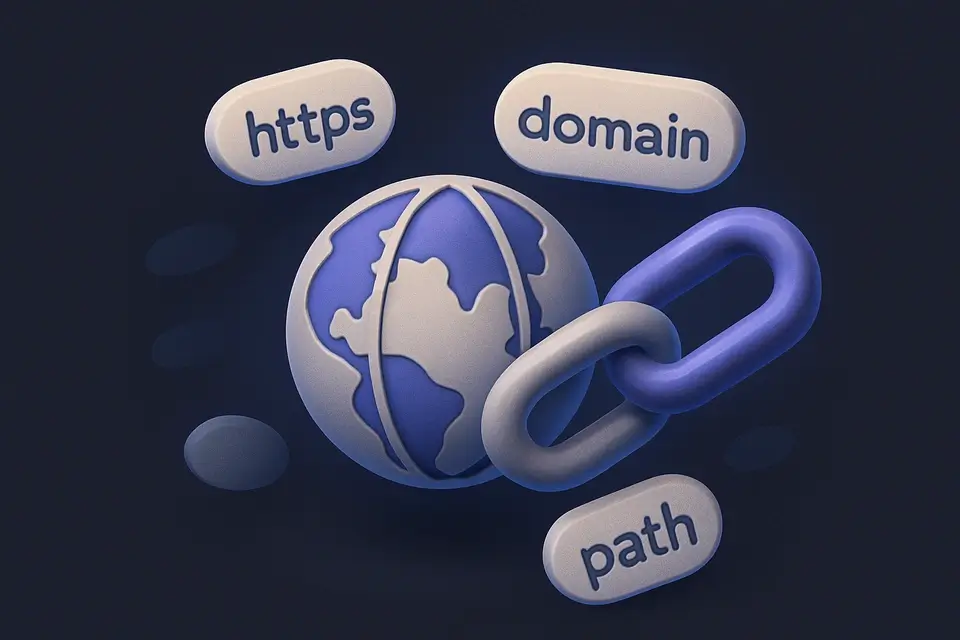
URL Validator
Validate URL format and structure with protocol, domain, path, and query string analysis.
Enter Your URL
Paste or type the URL you want to validate into the input field.
Click Validate
Click the Validate button to parse and check the URL structure.
Review URL Components
Review the parsed components including protocol, domain, path, query, and fragment.
What Is URL Validator?
A URL Validator is a tool that checks if a given URL is valid or not by parsing its components such as protocol, hostname, port, path, query, and fragment. Developers and web administrators use it to ensure the accuracy of URLs in their applications, solving a specific problem where invalid URLs can lead to broken links or security vulnerabilities. For instance, a link validator like this one helps identify if a URL uses HTTPS, which is essential for secure data transmission.
What makes this tool different is its ability to provide detailed breakdowns and suggestions for improvement. When a user inputs a URL, it checks the format and returns information about the protocol used, whether it's secure or not, and even identifies if the hostname is an IP address. The url checker also provides helpful suggestions, such as adding a protocol or including a domain with a top-level domain (TLD), which aids in how to validate a url online.
It uses regular expressions to check for IPv4 addresses and splits the hostname to identify the TLD, making it a reliable url format checker. If the input URL is invalid, it returns an error message along with suggestions to fix the issue, such as adding a protocol or including a domain with a TLD, which makes it easier to validate URLs online.
Why Use URL Validator?
-
Instant URL parsing with full component breakdown
-
Runs entirely in your browser — your data stays private
-
No signup or installation required
-
Mobile-friendly responsive interface
Common Use Cases
Checking URL Format for Web Development
As a front-end developer, Sarah uses it to verify the format of URLs in her web application. She enters a URL and checks if it has a valid protocol and hostname. If the URL is invalid, she receives helpful suggestions to fix the issue.
Validating Website URLs for SEO Audits
During an SEO audit, Mark needs to validate URLs of websites to ensure they are correctly formatted. He uses the tool to check for HTTPS usage and common TLDs. This helps him identify potential issues that could affect search engine rankings.
Testing API Endpoint URLs
When testing API endpoints, John enters a URL and checks if it has a valid path and query string. If the URL is invalid, he receives detailed error messages to help him fix the issue quickly.
Debugging URL Issues in Mobile Apps
Mobile app developer Emily uses it to debug URL issues in her app. She enters a URL and checks if it has a valid hostname and port number. This helps her identify and fix issues that could cause errors in her app.
Verifying URLs for Security Checks
Security expert David uses the tool to verify if a URL uses HTTPS or HTTP. He also checks for IP addresses and common TLDs to ensure the URL is secure and trustworthy.
Finding Invalid URLs in Large Datasets
Data analyst Rachel uses it to find invalid URLs in large datasets. She enters multiple URLs and checks their format, protocol, and hostname to identify any issues that could affect data analysis.
Technical Guide
The tool works under the hood by utilizing the React framework and its hooks, specifically useState and useCallback, to manage state and handle user interactions. When a URL is input, it trims the string to remove any whitespace and then attempts to create a new URL object using the browser's native URL API. If successful, it extracts various components such as protocol, hostname, port, pathname, search query, and fragment from the URL object. The tool also uses regular expressions to check if the hostname is an IPv4 address and splits the hostname string to identify the top-level domain (TLD).
It checks for security by verifying if the URL's protocol is 'https:', in which case it adds a note indicating that the URL uses HTTPS, or 'http:', where it warns about the lack of security. The tool then constructs an array of strings containing details about each component, including whether they are valid or not. If any part of this process fails, such as when trying to create a new URL object with an invalid format, it catches the error and returns an array with notes on what went wrong, along with suggestions for fixing common issues like missing protocols or domain names without TLDs.
The input is processed character by character using JavaScript's built-in string methods like trim, replace, and split. Error handling is also implemented to catch any exceptions that may occur during the validation process, providing informative error messages instead of crashing. The URL API provides a standardized way to work with URLs across different browsers and platforms, ensuring consistent results regardless of the environment in which it's used.
The use of TypeScript interface UrlResult allows for strong typing of the validation result object, ensuring that it always contains the expected properties: valid, indicating whether the URL is valid or not, and details, an array of strings providing a breakdown of the URL components. This typed approach helps catch potential errors early in development, making the code more maintainable and reliable. The React hooks useState and useCallback enable efficient management of state changes and function re-renders, optimizing performance by minimizing unnecessary computations and DOM updates.
Tips & Best Practices
-
1Check the detailed validation output for specific issues
-
2All processing happens client-side for privacy
-
3Bookmark this tool for quick access
-
4Try URLs with special characters, ports, or unicode domains to test edge cases
Related Tools


Email Validator
Validate email addresses against RFC 5322 format rules with detailed error explanations.
🧰 Miscellaneous

Credit Card Validator
Validate credit card numbers using the Luhn algorithm with card network detection.
🧰 Miscellaneous
URL Validator
Validate URL format and structure with protocol, domain, path, and query string analysis.
🧰 Miscellaneous

JSON Validator
Validate JSON syntax with detailed error messages showing the exact location of issues.
🧰 MiscellaneousFrequently Asked Questions
Q Is the URL validator free to use?
Q Is my data safe when validating URLs online?
Q Does the URL validator work on mobile devices?
Q How accurate is URL format validation?
About This Tool
URL Validator is a free online tool by FreeToolkit.ai. All processing happens directly in your browser — your data never leaves your device. No registration or installation required.