Convert Images to Icons Online Convert images to icon sizes (16x16 to 512x512) for favicons and app icons.
Image to Icon
Convert images to icon sizes (16x16 to 512x512) for favicons and app icons.
Upload Image
Drop or select an image to convert to icon sizes.
Select Sizes
Choose which icon sizes to generate (16, 32, 48, 64, 128, 256, 512).
Download Icons
Download individual icons or all sizes at once.
What Is Image to Icon?
A Image to Icon is a type of icon converter that generates standard icon sizes from any source image, producing square icons at various pixel dimensions such as 16x16, 32x32, and up to 512x512 pixels. Developers and designers use it to create favicons, app icons, desktop icons, and PWA touch icons. One specific problem it solves is the need to manually resize images to multiple sizes, which can be time-consuming and prone to quality loss.
The tool is particularly useful because it allows users to select specific icon sizes from a predefined list of options, including 16, 32, 48, 64, 128, 256, and 512 pixels. What makes this tool different is its ability to use the Canvas API for high-quality downscaling, ensuring crisp icons at every size, and its support for transparency in exported PNG files.
It also features a cover-fit to square functionality, which automatically adjusts the image to fit within the selected icon size while maintaining its aspect ratio. This means that the resulting icons are always perfectly square, regardless of the original image's dimensions. As an icon generator, it simplifies the process of creating multiple icon sizes from a single source image, making it easier to create consistent and high-quality visual assets for web and mobile applications.
Why Use Image to Icon?
-
All standard icon sizes from 16x16 to 512x512
-
High-quality downscaling for crisp small icons
-
Transparency preserved from PNG sources
-
Individual or batch download
Common Use Cases
Favicons
Generate multiple sizes needed for favicon support.
App Icons
Create iOS and Android app icons at required sizes.
Desktop Icons
Generate icon sets for desktop applications.
Web Apps
Create manifest icon sets for PWA requirements.
Technical Guide
The tool works by utilizing the React library to manage state and handle user interactions, such as selecting icon sizes and uploading source images. When a source image is uploaded, it is loaded onto an HTMLCanvasElement using the URL.createObjectURL method, which creates a URL that can be used to reference the image. The canvas element is then used in conjunction with the Canvas API's 2D drawing context to resample the image at each target size using the drawImage method.
The cover-fit functionality is achieved by calculating the minimum dimension of the source image and then using that value to determine the x and y coordinates for drawing the image onto the canvas. This ensures that the resulting icon is always perfectly square, regardless of the original image's dimensions. The tool also uses the toDataURL method to export each output as a PNG file, which supports transparency. The FileDropzone component from the React library is used to handle file uploads, and the useState and useRef hooks are used to manage state and references to DOM elements.
In terms of specific technologies, the tool relies on React's useState, useRef, useCallback, and useEffect hooks to manage state and handle side effects. It also uses the Canvas API's 2D drawing context to perform image processing tasks, such as resampling and cover-fitting. The URL API is used to create object URLs for referencing uploaded images, and the File API is used to handle file uploads and downloads. The tool's output follows a specific naming convention, with each icon being named according to its size, using the format icon-{size}x{size}.png.
The image processing pipeline involves several key steps, including loading the source image onto the canvas, calculating the cover-fit coordinates, drawing the image onto the canvas at each target size, and exporting the output as a PNG file. The tool's use of progressive halving for multi-step downscaling helps to avoid aliasing in icons smaller than 64px. By leveraging these technologies and techniques, the tool is able to efficiently generate high-quality icons at various sizes from a single source image.
Tips & Best Practices
-
1Start with a square source image
-
2Simple designs with bold shapes work best at small sizes
-
3Check your icon at 16x16 — details may be lost
-
4Use PNG source with transparency for flexible icons
Related Tools
Image Crop
Crop images with a visual selection rectangle to remove unwanted areas.
🖼️ Image Tools
Image Resizer
Resize images by exact pixel dimensions or percentage while maintaining aspect ratio.
🖼️ Image Tools
Image Format Converter
Convert images between JPG, PNG, and WebP formats with quality control.
🖼️ Image Tools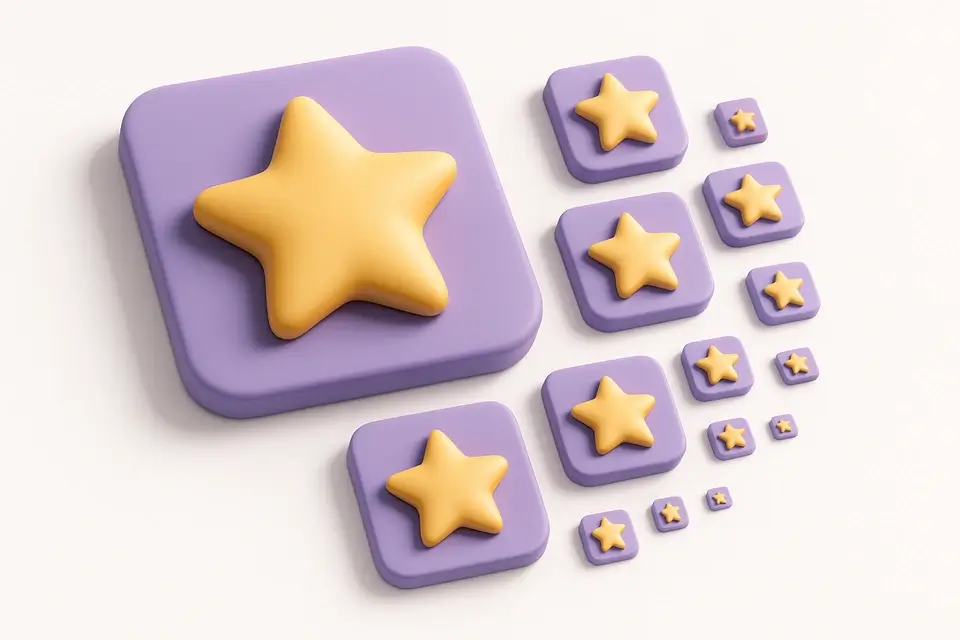
Favicon Generator
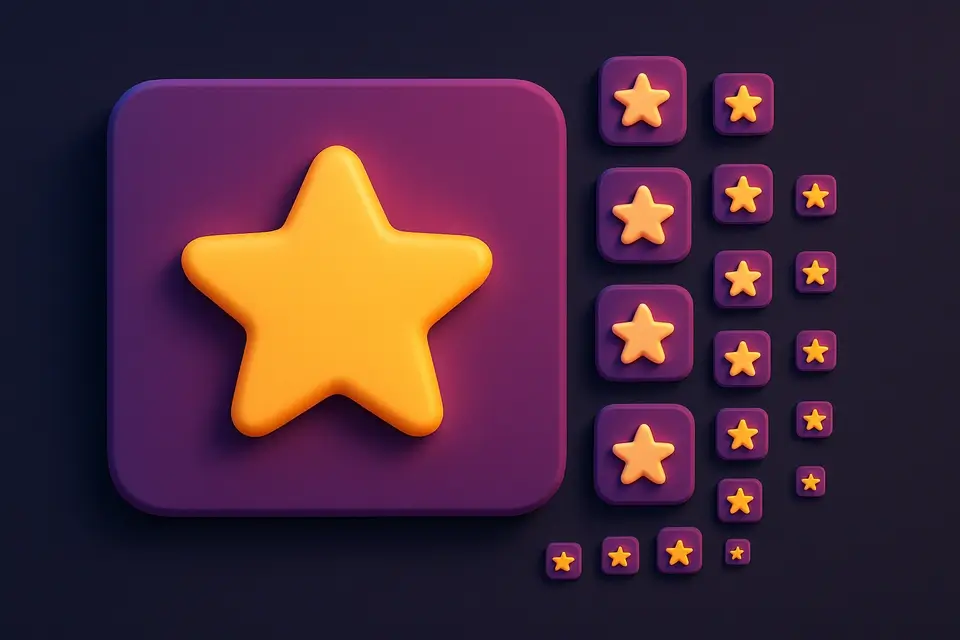
Generate favicons in multiple sizes (16x16, 32x32, 48x48 and more) from any image.
🖼️ Image ToolsFrequently Asked Questions
Q What sizes?
Q Creates .ico files?
Q Transparency preserved?
Q Best source image?
Q PWA icons?
About This Tool
Image to Icon is a free online tool by FreeToolkit.ai. All processing happens directly in your browser — your data never leaves your device. No registration or installation required.